

Polygraph tests, or lie detectors, can be remarkably effective if used correctly. They monitor physiological responses like heart rate and sweating, both conditions often linked to lying. Based on scientific studies, polygraphs present proof of honesty.
Studies have shown that lie detectors can be 80–90% accurate, based on such factors as examiner skill and test conditions. They are not foolproof, though—false positives and negatives do exist.
Despite arguments, polygraphs continue to be employed by the masses. From criminal investigations to government checks, they’re precious tools in hundreds of high-stakes situations—even when they’re not necessarily admissible in court.
The Accuracy of Lie Detector Tests
Although lie detectors are often touted as high-technology truth devices, their success depends on various factors. From scientific precision to environmental and human elements, several variables can affect the result.
Scientific Studies on Polygraph Accuracy
Scientific studies have proved that polygraph tests are superior to chance in detecting deception through the detection of involuntary physiological activity. These are increases in heart rate, breathing changes, and increased skin conductivity—phenomena traditionally related to psychological tension.
Given favourable conditions, cooperative subjects, and well-formulated questions, polygraphs are sure to perform effectively. But if the testing conditions are less than ideal, their accuracy will diminish significantly.
Experts agree that polygraphs cannot always be correct but do turn out useful if they are a part of an integrated strategy of investigation.
Accuracy Range: 80% to 90%
The accuracy range most often cited for lie detectors is 80% to 90%. That is, under optimum circumstances, 8 to 9 out of 10 test results will be correct in identifying deception or truthfulness.
However, the range is not constant in all cases. The examiner’s expertise, the type of questions posed, and the state of mind of the subject influence accuracy. Polygraphs aren’t magic—it’s how well the test is given and how honest or cooperative the test subject is.
False Positives and False Negatives
Two of the biggest grievances against lie detector tests are false positives and false negatives. A false positive occurs when someone is honest, but the test reports them as lying.
A false negative is the opposite—when a liar is cleared falsely. Both can be brought about by stress, medication, or deliberate tampering with the test.
Because of these dangers, polygraph tests are generally only considered as a component of a greater investigation and not as a pure fact.
Examiner Influence
The operator of the polygraph has a good deal of influence over the result. Examiners must be trained to form objective, brief questions and interpret physiological reactions without prejudice.
Even slight differences in wording or presentation of a question can result in different physical reactions. An experienced or biased examiner can readily misread signs or coax a subject into stress, producing incorrect results. That’s why professional standards and certification are extremely crucial to the individual giving a lie detector test.
Environmental and Psychological Factors
How and under what conditions a polygraph is given makes a difference. A boisterous, tense, or unfamiliar environment can be stressful, even among truthful individuals, resulting in biased outcomes.
Similarly, a person with some mental illnesses could respond in unexpected ways to the test, without regard to dishonesty. Trauma, distress, and fatigue can influence physiologic functions.
That’s why the surroundings need to be made quiet, secluded, and relaxed, and the subject needs to be informed about the procedure so that there will be no unnecessary stress to disrupt accuracy.
When Lie Detector Tests Work Best?
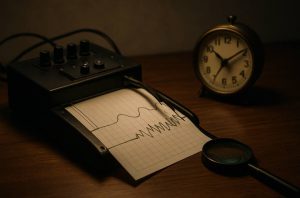 Lie detector tests are most effective when used in simple, structured circumstances. These circumstances help ensure results are accurate and helpful, especially where the questions are simple and the subject is forthcoming.
Yes/No Factual Questions
Polygraphs work best when used with straightforward yes/no fact-based questions. Those questions that can be answered definitively, such as “Did you take the missing item?” are best since they address tangible facts. The clearer and more specific the question, the easier it is for the polygraph to detect physiological responses linked with truth or dishonesty.
Cooperative and Willing Subjects
When the subject is calm, cooperative, and extremely willing to cooperate, the results of the polygraph test are more reliable. A calm subject is less likely to have spontaneous stress reactions that can taint the data, yielding more accurate physiological results and easier interpretation of the results by the examiner with confidence.
Criminal Investigations
Lie detectors are regularly employed in crime investigations to establish facts and to eliminate suspects. While polygraph evidence is never completely admissible as testimony in court, it is of general value to investigators by disclosing potential inconsistencies or confirming facts. In high-risk investigations, they can result in further questioning or even new leads on a case.
Government Screenings
Polygraphs are mainly used by government organisations in screening for security clearances and pre-screening candidates for sensitive jobs. They are most effective in assessing whether a person has concealed critical information or been deceptive regarding their past records, especially where the subject material concerns national security, defence, and intelligence services.
When Lie Detector Tests Are Not Recommended?
Though polygraphs are convenient in some cases, they are also unsuitable in other situations. They can lead to false information or even fail to provide useful insights if emotional, mental, or other interfering circumstances interfere with the process.
Emotional or Complex Questions
Polygraph testing does not fit the involved complex emotions or psychological variables of those questions. For instance, asking about the subject’s deepest emotional experience or personal trauma has the effect of eliciting stress responses that are independent of deceit.
Mental Health Issues
Individuals suffering from anxiety disorders, depression, or PTSD find it difficult to regulate their body reactions during polygraph tests due to these mental health conditions. The testing device might confuse normal emotional distress with deliberate deception, which produces either correct or incorrect outcomes.
Untrained Examiners
The training and experience of the examiner play a crucial role in preventing errors in a polygraph test. Without certification or training, the outcomes will be susceptible to false deductions. The application of poorly designed questions or a lack of knowledge in the physiological signs of deception may lead to false inferences, thus an unreliable test.
Wrapping Up
Lie detector tests are effective if used properly in some situations. But they are not reliable and should be used with caution, especially in emotionally, mentally, or coercively compromised cases. Always be prepared to use alternatives when needed.
