

Considering faking a lie detector test? You’re not the only one. With internet hacks and bogus services at your fingertips, it may seem like a clever shortcut when the heat’s on.
But behind the shortcut is a greater mess—one that can cost you more than you think. From shattered trust to serious legal repercussions, the repercussions are real.
Before you go taking that risk, it’s time to think again. This blog explores what actually happens when you’re lying under a polygraph—and why truth is the smarter way to go.
The Temptation of a Fake Lie Detector Test
When you’re backed into a corner by suspicion or intimidation, faking a polygraph appears to be an escape. Online tutorials, fake services, and even borrowed equipment promise to help you “beat the system.”
It’s easy to justify—”It’s just to prove a point,” or “No one will get hurt.” But this desire typically stems from fear: fear of punishment, judgement, or losing someone. Unfortunately, a fake solution doesn’t solve real issues—it just defers them, and even in many cases, enhances them.
Why People Fake Polygraph Results
People fake lie detector results for different reasons. Sometimes it’s not even about hiding a lie but asserting something they believe to be true when they don’t think the machine will be in their favour.
Sometimes it’s just about control. But whatever the motive, the act itself communicates something: that lies are more valuable than truth. And that decision usually creates more underlying issues than the initial problem ever could have created.
The False Sense of Security
Lying to a polygraph may give you temporary relief. But that temporary win is unstable. You’ll have to live with the threat of being caught, or worse still, the party you’ve lied to will retain suspicions that escalate over time. The truth, one way or another, will ultimately reveal itself, and the fact that you tried to cheat the system only makes things worse. It’s not a sense of security—it’s borrowed time.
Personal Consequences: Is It Worth the Risk?
A fake lie detector test doesn’t merely affect the outcome—it affects people. The psychological damage, broken trust, and lasting repercussions can haunt you well past the point when you tried to “get by.” What you’re really gambling with:
Broken Trust in Relationships
Trust is hard to come by and easy to lose. Getting caught lying under a polygraph hurts deeper than the original issue. It says that you’d lie rather than meet them in the middle of the truth.
That kind of dishonesty changes their view of you—maybe forever. If your reason for lying was to shield them or avoid an argument, the lie overshadows everything else. Love is constructed on honesty, not a facade. Once the trust has been broken, it is typically harder to restore than the truth would have been in the first place.
Long-Term Damage to Your Reputation
What you do today determines what people think of you tomorrow. If you get caught cheating on a polygraph, you can become a pariah, and people won’t believe you no matter what.
In personal or professional relationships, your integrity is severely damaged. Even if you only did it once, you are now branded as a dishonest person. It can taint your relationships, career, and even your legal status. Reputations take years to make—but are lost in a second by one ill-fated choice. And the stain of dishonesty isn’t easy to erase.
Legal Consequences
What might seem like a harmless lie can quickly find itself in the domain of legality. Lying about a polygraph—especially in a formal situation—can result in opening Pandora’s box of criminal charges, courtroom penalties, and permanent damage to your legal record.
Faking a Test Can Be Fraud
In legal and professional contexts where polygraphs are used, the act of presenting fabricated results or employing counterfeit services constitutes fraud.
The situation demands honesty, yet you twist facts where truthfulness is both expected and often mandated by law. Judicial bodies, along with investigative entities, treat such matters with the utmost seriousness and without leniency.
A lie that escapes detection initially still faces potential exposure later, which leads to severe repercussions. The potential consequences you face include fraud charges along with legal sanctions and the possible rejection of your claims.
Risk of Perjury or Obstruction
The act of providing false statements regarding polygraph tests or their outcomes while under oath or within legal records can lead to perjury charges. The act of manipulating investigative procedures by presenting fabricated outcomes or deceiving investigators constitutes obstruction of justice.
These elements transcend mere technical distinctions. These grave violations may result in monetary penalties, probationary periods, or incarceration based on situational factors. The foundations of legal systems require openness, yet any deceptive actions will result in greater complications than the original matter you wished to conceal.
What You Should Do Instead
If you’re thinking of faking a lie detector test, it’s an indication that something deeper needs attention. Instead of risking trust, legal trouble, or your peace of mind, there are better ways to handle the pressure.
Be Honest from the Start
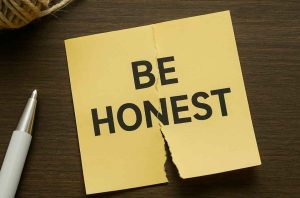 It may not be easy, but honesty is usually better than deception ever would be. Admitting a mistake or dealing with an uncomfortable conversation—being honest demonstrates maturity and bravery.
Others might be angry in the moment, but they’re much more likely to respect someone who takes responsibility for what they do rather than someone attempting to hide it. Being honest doesn’t equal everything being easy. It equals being willing to have integrity rather than illusion.
Take a Legitimate Polygraph Test if Needed
If anybody’s requesting evidence and you’re willing to provide it, do the decent thing. An honest polygraph examination, administered by a certified tester, is a lot more believable than a faked outcome.
Polygraphs are not foolproof, but they can demonstrate that you’re not concealing anything and are open to telling the truth. And if you’re not inclined to take one? Say as much. Telling the truth about your boundaries is preferable to faking. An honest test at least saves your integrity.
Bottom Line
Ultimately, lying on a polygraph only creates additional issues. The fallout—personal, legal, emotional—far outweighs the temporary reprieve. Opting for the truth and honesty, however painful, is always the preferable choice for long-term peace and trust.
