

Twenty years ago, having an affair required careful planning and substantial risk. Today, a secret relationship can begin with a single swipe and remain hidden for years, all from the device in your pocket.
According to a recent investigation published in the Sunday Times Magazine, the percentage of British adults admitting to infidelity has surged from 20% in 2015 to a staggering 36% by 2024. This dramatic increase directly correlates with the proliferation of smartphones, dating applications, and sophisticated technologies specifically designed to facilitate or conceal affairs.
To know more about digital infidelity, what the signs are, and how to deal with this, read through the article.
What is Digital Infidelity?
Digital infidelity, also commonly called cyber cheating or online betrayal, refers to emotional or sexual connections made through digital channels. It may not involve physical contact, but it often crosses the same boundaries of trust.
From pirate DMs to hidden photo vaults, digital infidelity lives in grey areas: messages that are “just friendly,” emotional attachments to strangers, or secret online identities meant to escape.
The New Face of Cheating
Technology hasn’t only changed how people cheat; it’s multiplied the ways it can happen.
- Emotional cheating online: deep, intimate conversations that gradually replace real-life connections.
Flirty DMs & Micro-Cheating: Constantly liking someone’s photos, sending subtle messages, or using heart emojis that mean more than friendship. - Explicit sexting: Exchanging sexual messages or photos through apps that use ‘vanish’ modes.
Hidden accounts: Finstas (fake Instagram accounts) or alternate profiles used fr flirting or secrecy. - AI relationships: one of the fastest-growing trends is that people are forming emotional attachments with AI ‘companions’ or chatbots for comfort, escape, or fantasy.
The Tools of Digital Betrayal
Cheating Apps And Platforms
The landscape includes platforms explicitly designed for affairs. Ashley Madison survived a devastating 2015 data breach that exposed 37 million users and continues to thrive. Illicit Encounters markets itself as ‘the UK’s leading affairs site.’
These platforms remove traditional barriers by providing anonymous browsing, discrete payment options, photo blur features, and encrypted messaging systems.
Mainstream apps like Tinder, Bumble, and Hinge are equally complicit. Tinder’s ‘Passport’ feature allows users to connect with people anywhere globally, so it becomes perfect for affairs existing in geographical bubbles away from home.
Snapchat introduced ephemeral messaging, creating a false sense of security for those conducting affairs.
Hidden Communication Tools
Perhaps most concerning are vault apps that disguise themselves as innocent utilities (calculators, productivity tools) whilst secretly storing messages and photos. Examples include Calculator Pro+, Hide My Text, CoverMe, and Threema.
As the Sunday Times article explains, these technologies have created what academics call a ‘train of data we leave behind,’ noting that ‘there’s no such thing as the private life any more.’
Signs Your Partner Is Cheating Digitally
Recognising the signs of infidelity requires understanding modern behaviour patterns.
- Phone always on silent or face-down: A phone kept on silent or face-down suggests they may be hiding incoming messages or notifications.
- Sudden password change: Changing passwords without a clear reason can indicate someone is trying to protect private conversations or a new account.
- Deleting messages and clearing browser history frequently: Regularly deleting messages or clearing browser history is a sign that they’re trying to hide evidence.
- Unusual late-night phone use: spending more time on the phone late at night can indicate secretive behaviour or hidden communication.
- Unexplained Uber, hotel, or gift purchases: Unexplained purchases, like hotel stays or gifts, may point to hidden activities or infidelity.
- Following or engaging with flirty accounts: interacting with flirtatious or suggestive social media accounts could be a sign of emotional or digital cheating.
- Emotional distance- physically present, mentally elsewhere: if they seem emotionally distant, it might mean they’re investing energy elsewhere, often online.
How Affairs Are Uncovered?
Whilst technology enables infidelity, it simultaneously creates extensive evidence. Despite efforts to hide activity, modern devices generate “data exhaust,” traces that can be analysed.
Cloud backups often persist even after messages are deleted.
Photo metadata reveals when and where images were taken. Location history services like Google Timeline create detailed movement records. Banking apps expose transactions for dating services, hotels, or unexplained gifts.
A massive surveillance industry has emerged. Apps like Spynger, mSpy, and uMobix can monitor messages, track locations, and even activate microphones remotely.
However, in the UK, installing surveillance software on an adult’s device without their knowledge is generally illegal under the Computer Misuse Act and Data Protection Act.
When Suspicions Persist: The Role of Lie Detector Tests
When digital evidence raises suspicions but doesn’t provide definitive proof or when a partner denies behaviour despite concerning signs, many couples reach an impasse. Direct questioning often leads to continued denial, creating a cycle of suspicion that can be more damaging than the truth itself.
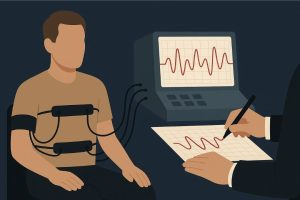
This is where professional polygraph testing has become increasingly relevant. Lie detector test cheating examinations offer a scientifically-grounded approach to resolving infidelity questions when other methods have failed.
Why People Use Polygraphs in Infidelity Cases?
- One partner insists they’re innocent, while the other can’t believe it.
- Digital evidence is missing, deleted, or unclear.
- Both want closure before separating or rebuilding trust.
A certified examiner asks structured questions while measuring stress indicators, such as heart rate, breathing, and skin response.
When administered by professionals, polygraph accuracy can reach 90–95%, offering emotional clarity even when proof is absent.
In the UK and abroad, services like LieDetectorTest.org conduct confidential relationship polygraphs, helping couples resolve doubts with transparency and consent.
For some, the test provides peace of mind; for others, confirmation of what they already feared.
“It doesn’t heal the pain,” says one examiner, “but it ends the uncertainty and that’s often the first step to healing.”
How Polygraph Testing Works?
A lie detector test measures physiological responses, such as heart rate, blood pressure, respiration, and skin conductivity, whilst the subject answers specific questions. The principle is that deceptive answers produce measurable stress responses differing from truthful responses.
In infidelity cases, questions are structured around specific, verifiable actions rather than emotions. Professional examiners ask questions like:
- “Since entering your relationship, have you had sexual intercourse with anyone else?”
- “Have you maintained active profiles on dating applications during your relationship?”
- “Have you sent sexually explicit messages to anyone other than your partner?
Questions cannot assess feelings (“Do you love me?”) but rather concrete actions that either occurred or didn’t.
Accuracy and Effectiveness
Modern polygraph testing, when conducted by properly trained examiners, achieves accuracy rates between 85-95% according to research and professional associations. UK providers report that single-issue tests (focusing on one specific question) can reach 98-99% accuracy when inconclusive results are excluded.
The American Polygraph Association estimates 87% accuracy across all test types, significantly higher than human ability to detect deception, which research suggests sits at only 50-60% even for trained investigators.
Mike Rumble, founder of Lie Detectors UK Services and a former detective, notes that “on average in couples tested we have found 70% have been able to maintain and repair a relationship after the test as the truthfulness helps to rebuild the trust.” This reveals an important reality: polygraph tests often repair relationships rather than destroy them.
The Testing Process
Professional infidelity polygraph examinations follow three stages:
- Pre-test consultation: Understanding relationship context, determining appropriate questions, and establishing objectives (30-60 minutes).
- Examination: The subject connects to polygraph equipment in a controlled environment whilst answering carefully constructed questions (1-2 hours).
- Analysis and reporting: Analysing physiological responses and providing a verified report, typically checked by a secondary examiner.
When to Consider Testing?
Relationship experts suggest considering polygraph testing when:
- Direct communication has failed to resolve suspicions
- Trust is irreparably damaged without resolution
- Both parties consent (coercion undermines validity)
- Specific allegations exist, not vague suspicions
- The decision is made with professional guidance
Professional examinations typically cost £400-£600, which many couples find worthwhile when relationships hang in the balance.
Verification of Innocence
Crucially, polygraph testing can also verify denials. When someone is falsely accused—perhaps due to misinterpreted messages or unfounded jealous fears—passing a test can definitively restore trust and reputation. As Lie Detector Test UK explains: “Integrity is one of the most important human qualities and when unfairly challenged, rightly upsets people.”
In Conclusion
If you’re tracking your spouse due to mistrust, you have a relationship problem, not a technology problem. Digital infidelity is a major modern challenge; technology has made cheating easier than ever before. Infidelity rates jumped sixteen percentage points in nine years, with millions using affair platforms and dating apps.
Technology enables affairs but also creates digital evidence trails that can expose unfaithful partners and reveal betrayals. Professional polygraph testing helps resolve suspicions and rebuild trust when other relationship approaches have failed.
It can provide healing foundations, whilst separation may sometimes be the healthiest choice. Despite technological changes, honest communication, mutual respect, and courage remain relationships’ most powerful tools today.
