

Shocking but true, nearly one in three people experience infidelity in their relationships. Even after trying hard to maintain peace and fulfilling all the relationship needs, cheating seems like the world is just collapsing. Such betrayal just destroys the values of bond, trust, self-worth, and sense of security.
If you are also going through such a painful reality, the good news is that recovery is possible. You need to understand your emotional challenges, rebuild resilience, and make the right choices about your future. Even when you plan to move on, a strategic approach can guide you through the pain toward growth.
Read our guide to expert insights and practical steps for your journey to recovery.
Impact of Cheating in a Relationship
Cheating is nothing but a burden of physical and emotional pain on a human being. The impact is immediate and deeply personal. Here is what really happens beneath the surface:
1. You Question Your Worth
You may suddenly feel not enough. This comes from a collapse inside, like how you saw yourself in the relationship. The internal conflict often leads to self-doubt and confusion about your own values.
2. Emotional Volatility
You will notice emotions swinging automatically, like anger, sadness, and numbness. It mainly happens as your brain is trying to process a sudden loss of stability and trust. Clearly, to say, you are no longer feeling safe or sure about what’s real.
3. Defencive Withdrawal
It is common that you will start distancing yourself emotionally and physically from others. It’s your mind’s way of protecting itself, where you need time to think clearly, understand what just happened, and find what to do next.
4. Traumatic Experience
Often, the infidelity from a loved one is so painful for someone that it leads to PTSD symptoms. In this, you experience nightmares about infidelity, unwanted flashbacks, obsessive thoughts, and hypervigilance.
Why Do People in Relationships Cheat?
There are a wide array of reasons why one can begin to be unfaithful to you, like:
- Emotional Disconnect: Sometimes, people feel emotionally neglected even when they are in a relationship. For that, they start finding an emotional connection or value that their partner can’t provide.
- Closeness Anxiety: Some choose cheating because deep emotional closeness feels uncomfortable for them. So, without even fully realising it, they just sabotage the relationship and create distance, likely protecting themselves.
- Low Self-Esteem: Someone struggling with their self-worth might cheat to boost their confidence. External attention can temporarily fill an internal void.
- Unresolved Past Trauma: It is common that past experiences, such as abandonment or betrayal, affect current behaviours. So cheating might be their way to repeat those old emotional behaviors or try to feel in control when they actually feel insecure.
Signs It’s Time to Move on From a Relationship
Most often, holding on feels almost impossible; then it’s better to let it go. These are the clear signs highlighting it is your right time to move on:
- You feel truly unsafe when you’re together.
- The thought of intimacy feels forced or repelling.
- You censor your needs to avoid fights.
- Apologies keep coming, but nothing actually changes.
- You feel drained more than supported.
- Your personal goals no longer align with your partner.
- Persistent resentment or contempt.
- You’ve tried to fix it without changing.
How to Build Resilience After Betrayal and Complex Trauma
You are going through the aftermath of betrayal. The road ahead may feel uncertain, but you can strengthen your resilience. Here we have listed some specialised approaches.
Cognitive Behavioural Therapy (CBT):
CBT mainly targets the negative thoughts one feels after the betrayal by their partner. You’ll work with a therapist who will find out thoughts like “I’m not enough” or “I’ll never trust again.” They teach how you notice those thoughts, challenge them, and replace them with balanced perspectives.
They can even suggest what practical tools to use to manage the severe emotions. This would be like thought journaling, breathing techniques, or grounding techniques, where you will learn to avoid getting stuck in flashbacks or spirals.
EMDR Therapy:
EMDR stands for Eye Movement Desensitisation and Reprocessing. The therapy uses guided eye movements or other bilateral stimulation that helps process the distressing memories.
During the session, you will focus on the upsetting memory and your therapist guides your eyes to move back and forth and other gentle stimulations. This process helps your brain reframe and release the emotional trauma and pain. The therapy isn’t like recounting your entire experience. Rather, it targets the emotional charge of the memory.
Trauma-informed Care:
In this process, the mental professional finds out the deep impact of betrayal can have on your mind and body. Practitioners pay close attention to your emotional safety during every session. They avoid saying things that might upset you or slow your pace.
Instead, they focus on building trust and learn numerous ways to stay calm with grounding and many other professional techniques. All in all, they create a safe and supportive environment for you where you will feel less shame.
Polygraph Test
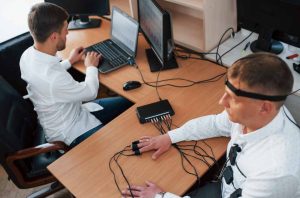
Often, you are just paranoid, suspecting your partner without clear evidence. In such a case, a polygraph test can be a reliable way to find the truth. It measures physical responses linked to stress and deception, helping you separate fear from fact.
The polygraph professional addresses all uncertainties, helps reveal trust, and lessens obsessive thoughts from your mind. You gain a firmer ground to rebuild your trust in yourself and your decisions.
In Closing
Remember, cheating is always a choice, never an accident. Healing starts when you take control of your path forward.
Recovery takes time, patience, and true effort from your end. But if you are suspecting, there is no meaning to just taking the pain yourself. Uncover the true fact with such a professional lie detection test. If it’s true, you gain clarity to make informed decisions, whether you need to walk away or face the truth.
